
Archive | Advice RSS feed for this section

Mission: Free the Everest

Last week a friend of ours had a little mishap on the Mawddach, which resulted in the boat getting pinned so badly that they were unable to retrieve it. Today the levels had finally dropped off enough for myself, Andy Butler and Daz Clarkson-King to go on a rescue mission. Hopefully the video, photos and explanation of what we did posted below will be interesting and useful to others. Of course there are many ways to skin a cat, this is simply what we did and why…

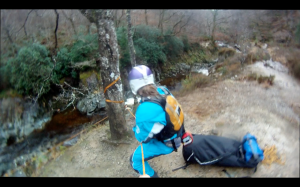
The first thing we needed to do was find the boat! We’d been given a pretty good description but we needed to see the situation for ourselves to work out what we might need to do, if recovery was even possible.
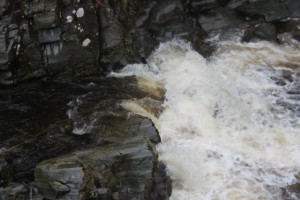
Spot the kayak
Can you spot the kayak?

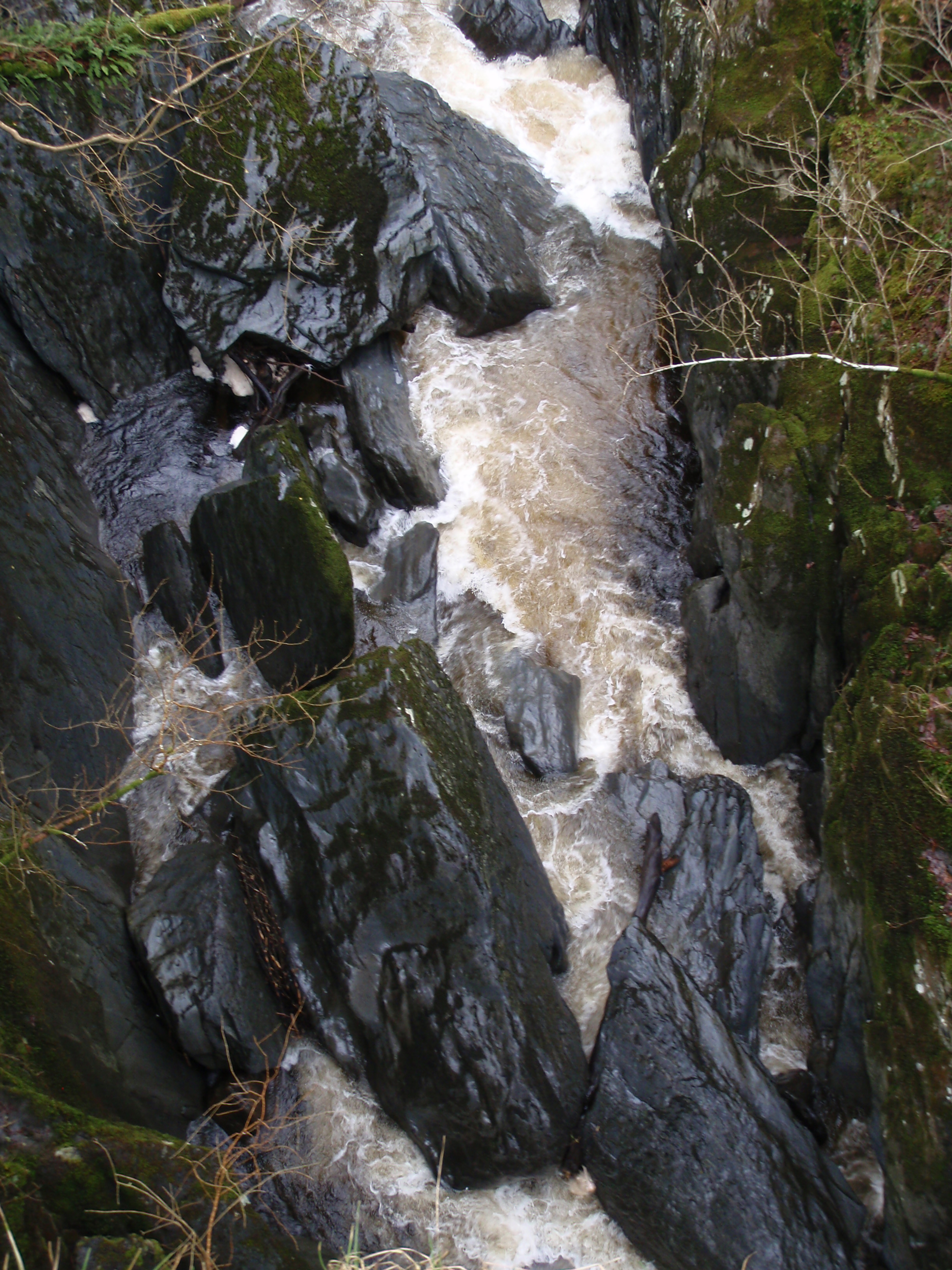
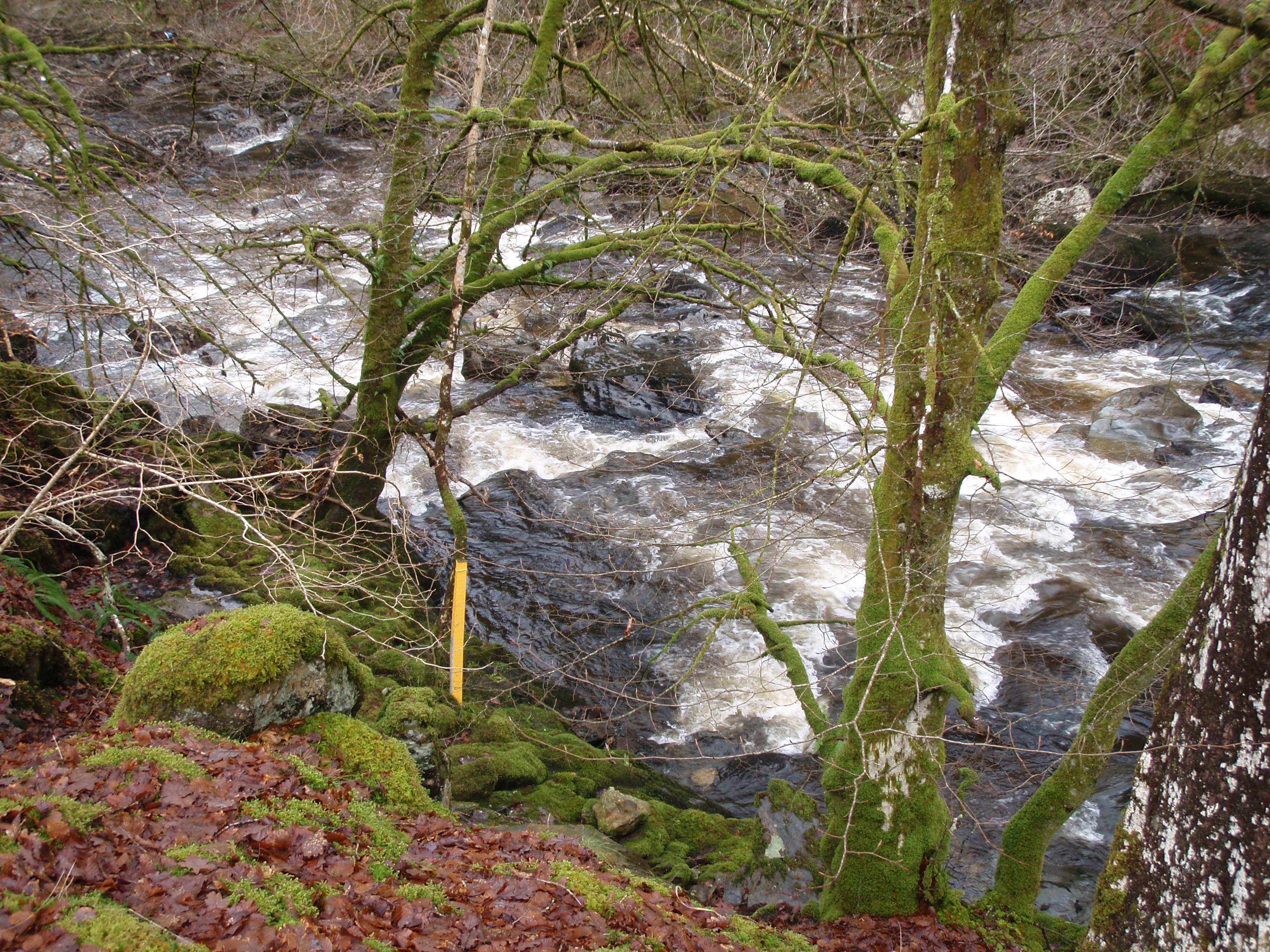
For those who know the river, the boat was in the gorge between the base of Rhaeadr Mawddach and the confluence with the Afon Gain. It was wedged underwater closest to the river left bank – the opposite bank to easiest access. The group who lost the boat had obviously tried to unpin the boat themselves, and had left a rope attached to the front grab loop which was closest to the left bank (the line had been tied off out of the way of anyone coming down the river).
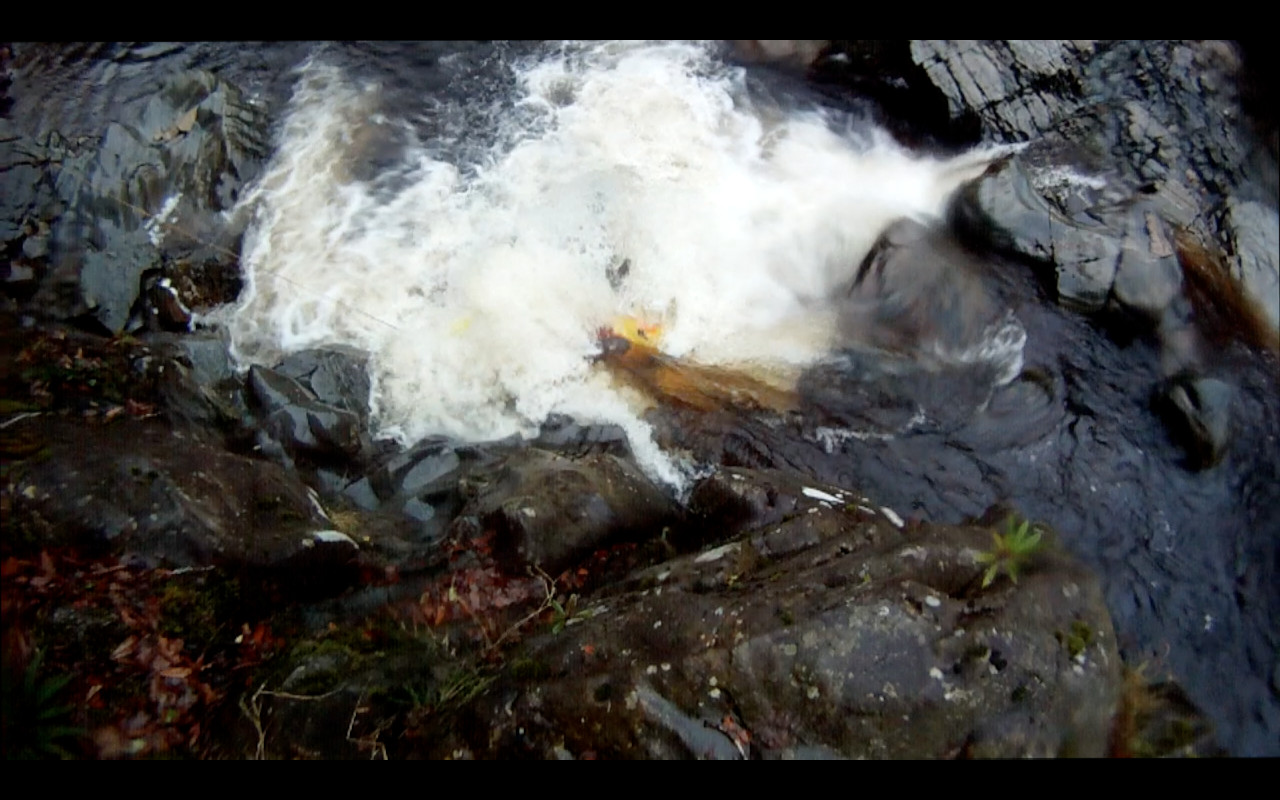
looking down on boat

The boat had wrapped around the rock so we needed to pull diagonally upstream to create a peel and pull effect; which meant the rope was already attached to the optimum point in terms of leverage.  We identified a suitable anchor which would create the angle of pull we required. We made sure it was strong enough to take the kind of force we were going to be putting through our system. Unusually, in this instance our anchor was a giant pipe!
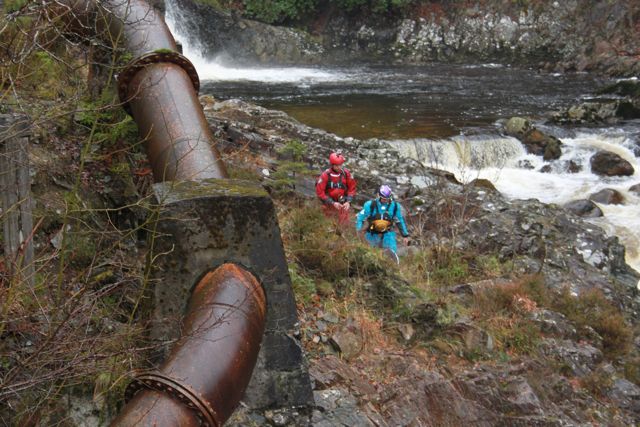
anchor pipe
The big anchor pipe

Our plan was to anchor the line, then set up a piggyback system to provide mechanical advantage. We chose a piggyback system (rather than a 3-to-1 using the line already attached) because it means the boat won’t float off anywhere once it’s freed, even if your pulling team let go and it allows you to take in the slack, preventing the boat slipping back and losing any progress you make.
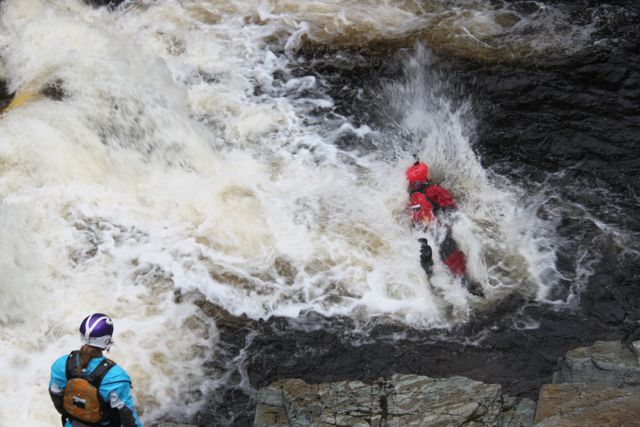
rescue andy
Andy heading across to get the line

The pipe was quite a way from the boat so we’d need some extra length on the line, plus we needed an anchor. We used one throwline as both the anchor and to provide the additional length required to reach the line currently attached to the boat (from here on in referred to as the ‘main line’).
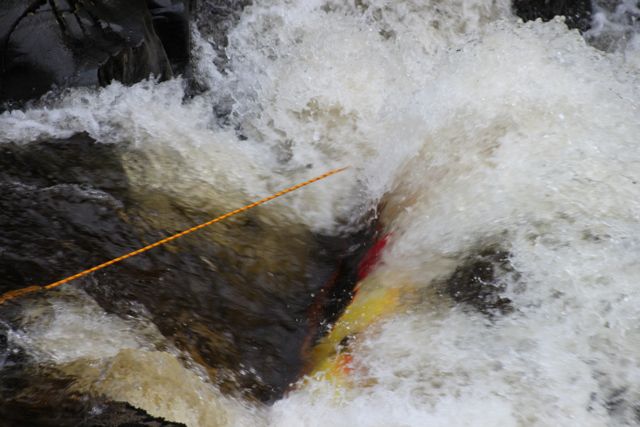
Pinned Kayak

rope anchor

We used a bowline to tie the line around the pipe creating the anchor and then a clove hitch onto a carabina at the length which allowed us to then attach the main line to the same carabina using an italian hitch. This set-up allowed us to adjust the position of the carabina so that whoever was managing the italian hitch was stood in a safe place. The italian hitch allows you to take in slack and lock-off as and when you need to. When locked off we tied a couple of half hitches to secure it, both the italian hitch and the lock-off hitches are shown here.
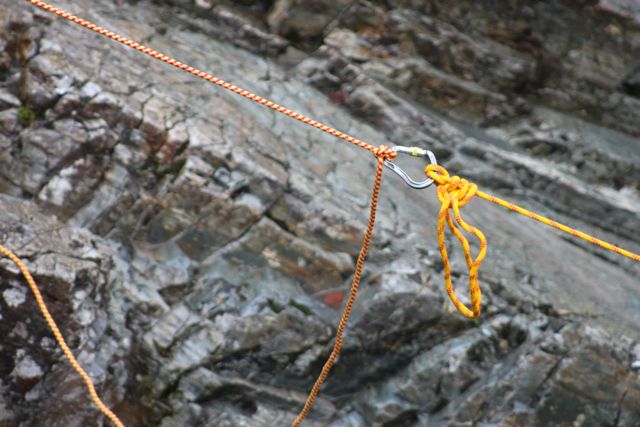
our hitch set-up

Once we had the main line secured, it was time to set up the piggyback system. Firstly we needed another anchor. There was a partition preventing us from putting the second anchor right next to the first, so we didn’t have an ideal angle – but at least the anchors were independent in case of failure. This time we used an open sling tied with a tape knot (aka water knot) to create the anchor.

We then put a 3-wrap prusik hitch on the main line, as far towards the boat as we could. After taking the bag off a good, strong throwline we made a loop by tying a figure-of-8 on a bight and clipped it to the prusik with a locking carabina. The piggyback line was then taken to a locking carabina on the sling anchor point and back through the carabina on the prusik, thus creating a 3-to-1 mechanical advantage (aka Z-drag).

We were now all set, time to start pulling! We had two hauling on the piggyback 3-to-1, while one took in any slack on the main line using the italian hitch.
Hauling

1,2,3 PULL

1,2,3 PULL

1,2,3 PULL

***SNAP!***

The line that had been left on the boat snapped, presumably weakened by 6 days wiggling about in wind and water.
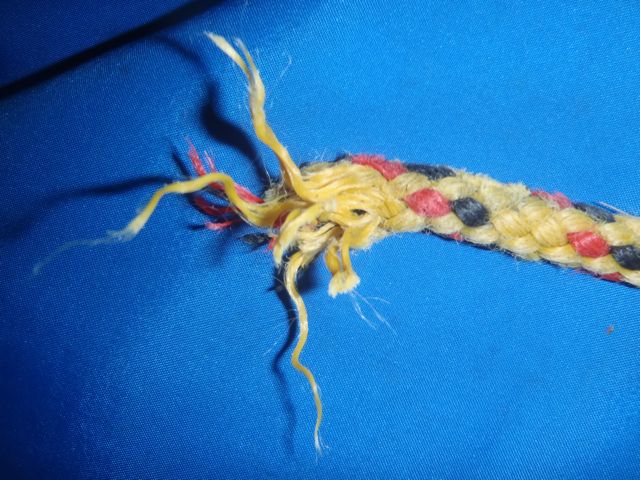
snapped rope

So we set about clipping another line to the boat, making sure it was a good condition rope with high breaking point! Once we’d got it clipped and back across to river right, we set up the same system with our new ‘main line’. Time for more pulling…

1,2,3 PULL

1,2,3 PULL

1,2,3 PULL

Hmm, we’re not getting anywhere!

We clearly we needed to change our angle of attack… onwards and upwards! We moved our set-up to a sturdy tree at the top of the river right gorge-side with the intention of rotating the boat by pulling the front end up.
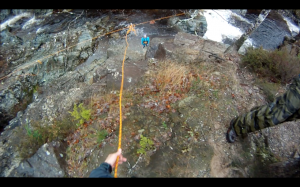
view from top

Try again…

pull from top

1,2,3 PULL

1,2,3 PULL

1,2,3 PULL

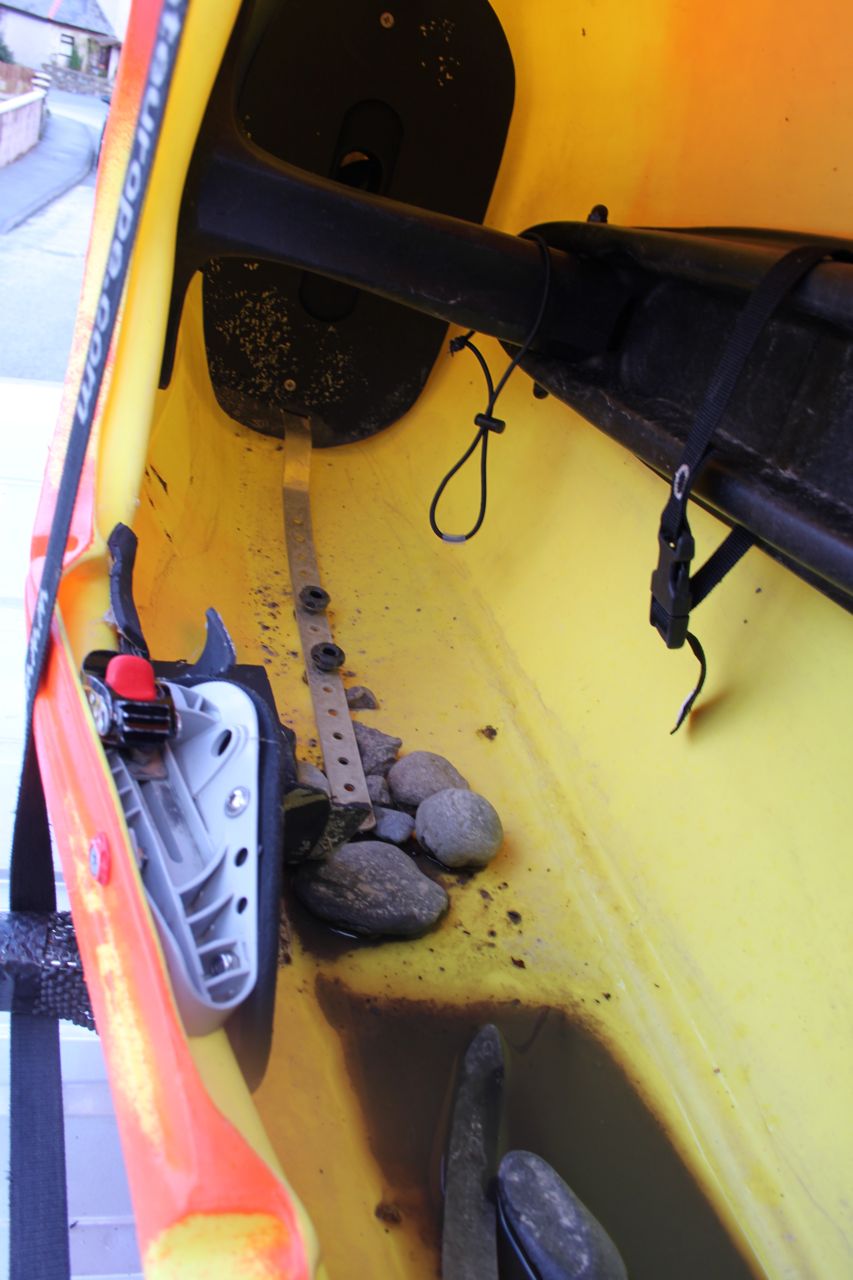
Success! The boat came free of the rock but was still pretty much submerged. The boat was being really awkward and floating vertically with only about 20cm of bow out of the water. Turned out the whole back-end was full of rocks!! And this time I don’t think it was Tom Parker playing pranks.

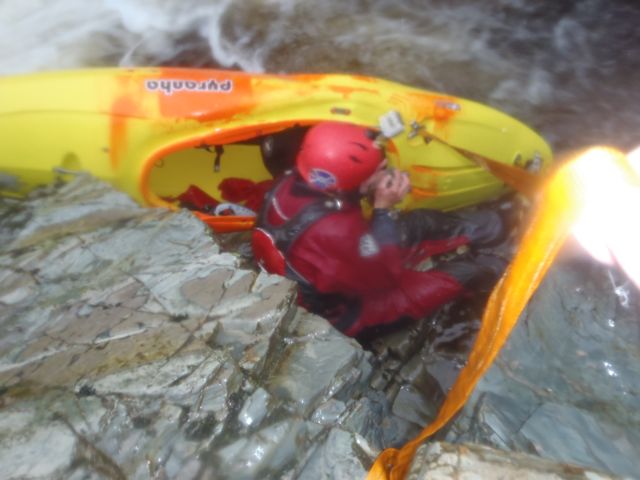
Pulling in the boat

clearing out rocks
Emptying out the rocks. This took a while!
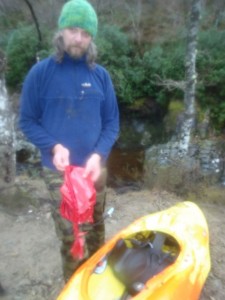
our prize
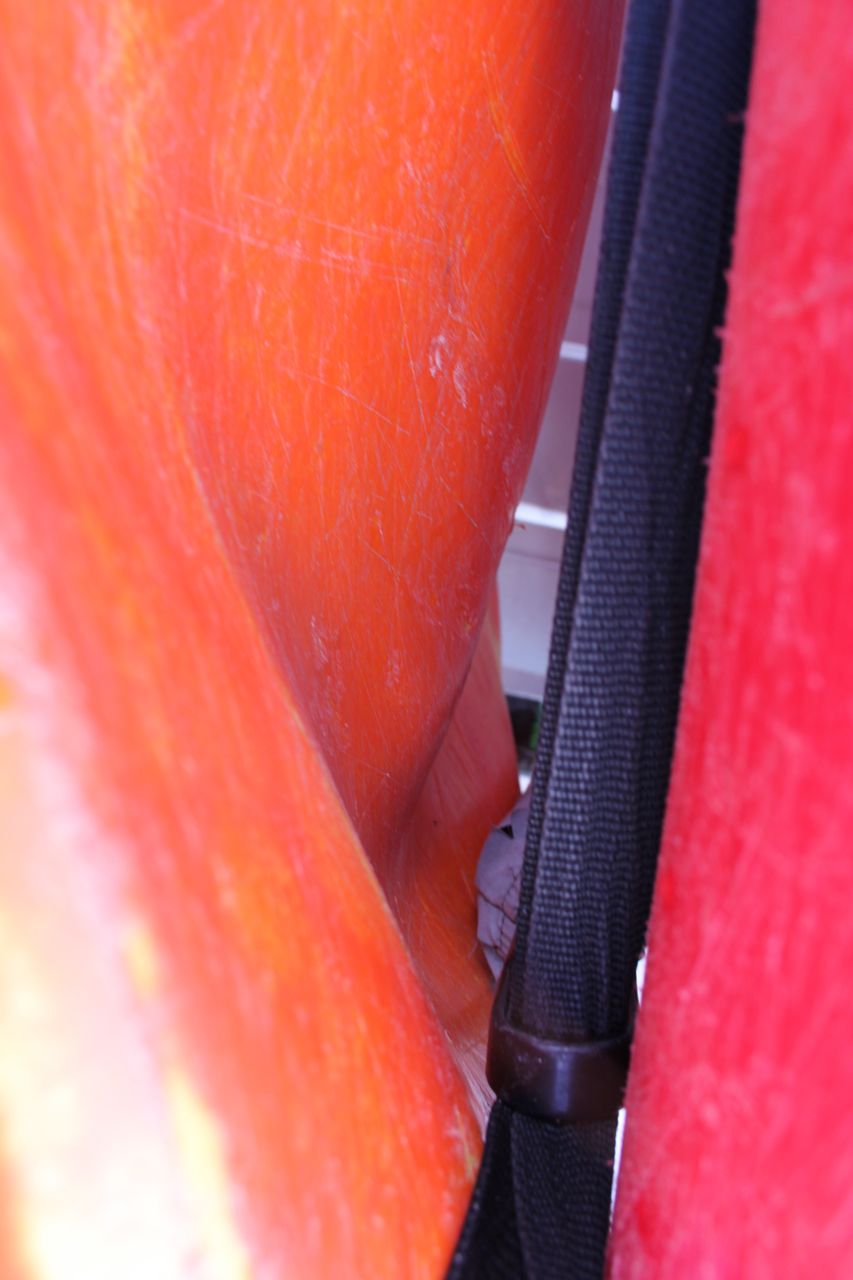
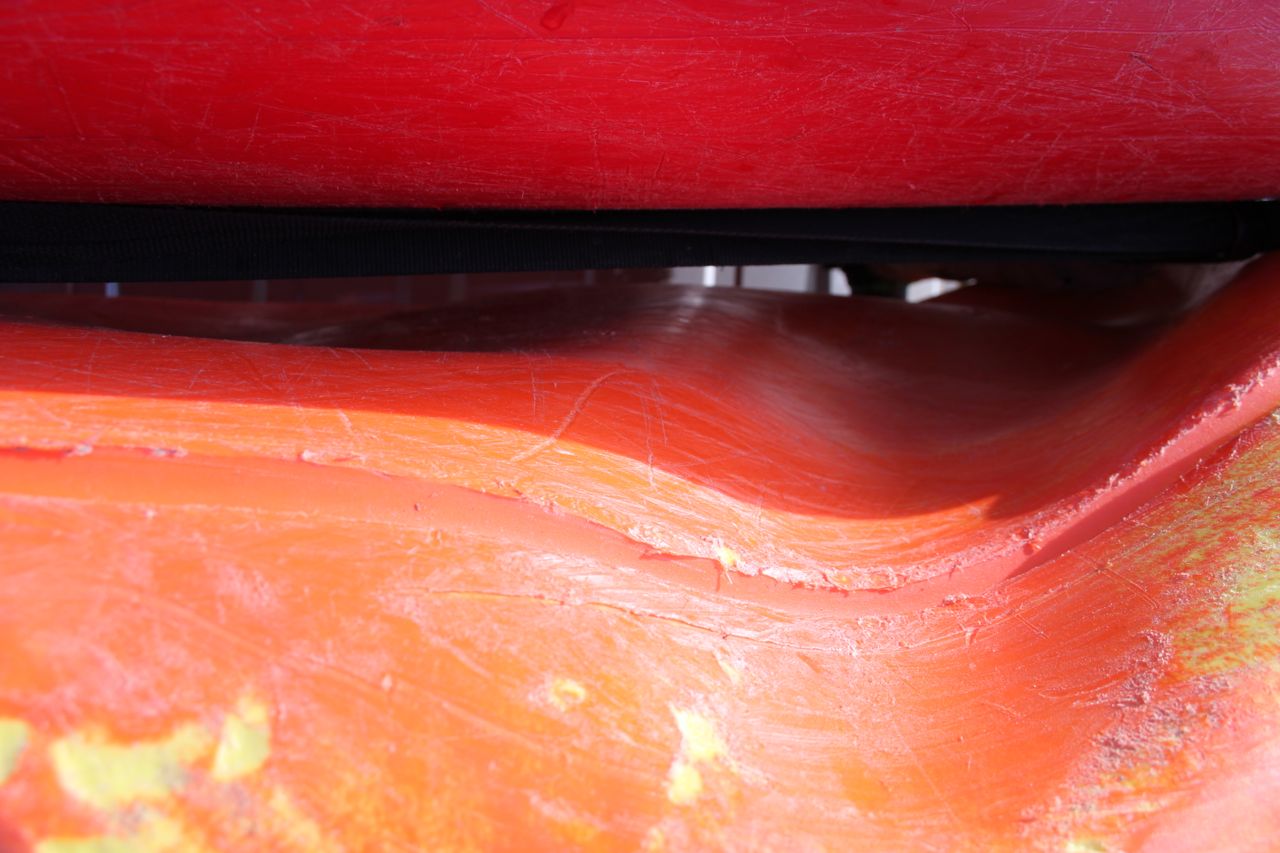
Daz shows the tattered remains of an airbag next to the warped boat

Feeling proud of ourselves, we hiked back to the car dragging our prize. Time for tea and medals!

If you want to learn more about setting up these sort of systems, check out our Safety & Rescue course dates.
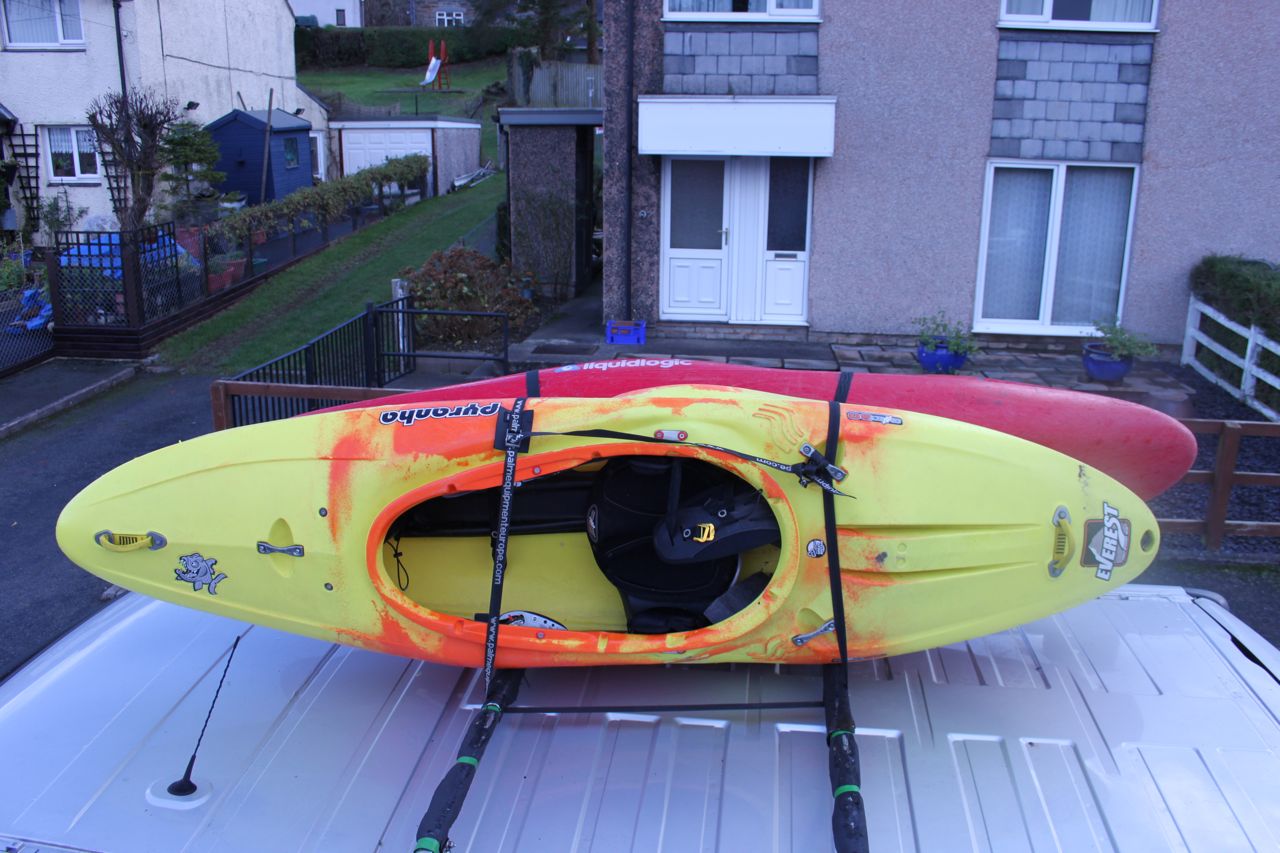
Job done

the everest

bent hull

bent hull

rocks in boat

worn a hole

Read full story

Replacing the backband string on your Jackson Kayak

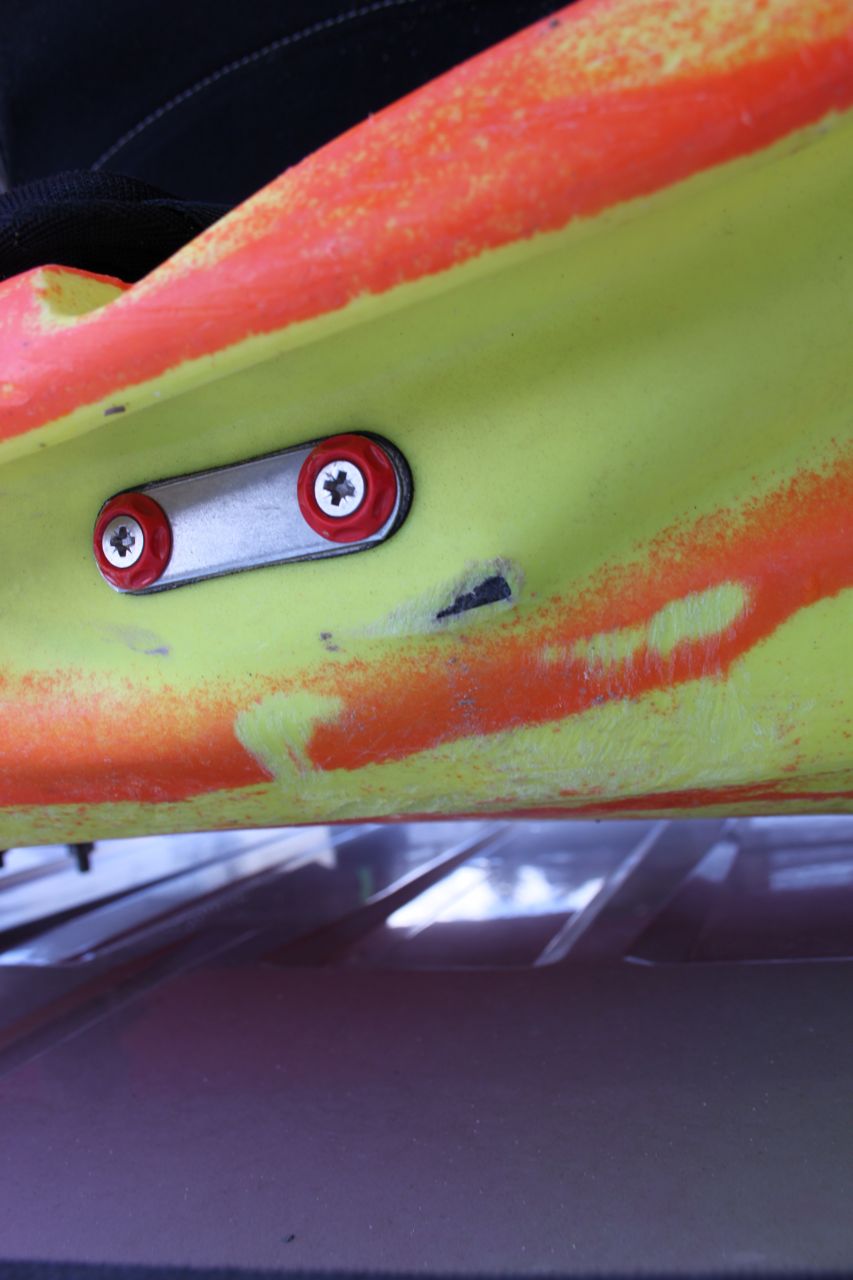
Paddling the amount that I do and at the level I do, I find the string that comes as standard on the Jackson backbands often wears through and either breaks or slips out of the cleats (though the new Rockstar’s cleats seem to hold much better). If you find your backband slips or is starting to look warn, I highly recommend replacing the string. Here’s how…

1. Get replacement cord

I use 5mm prusik cord, available from most climbing shops (e.g. Rock Bottom in Betws or online). This is rugged and hard wearing, while also being rough enough to have good friction in the cleat. You need about a metre per side you wish to replace. I’d replace both sides at the same time.

2. Remove old cord

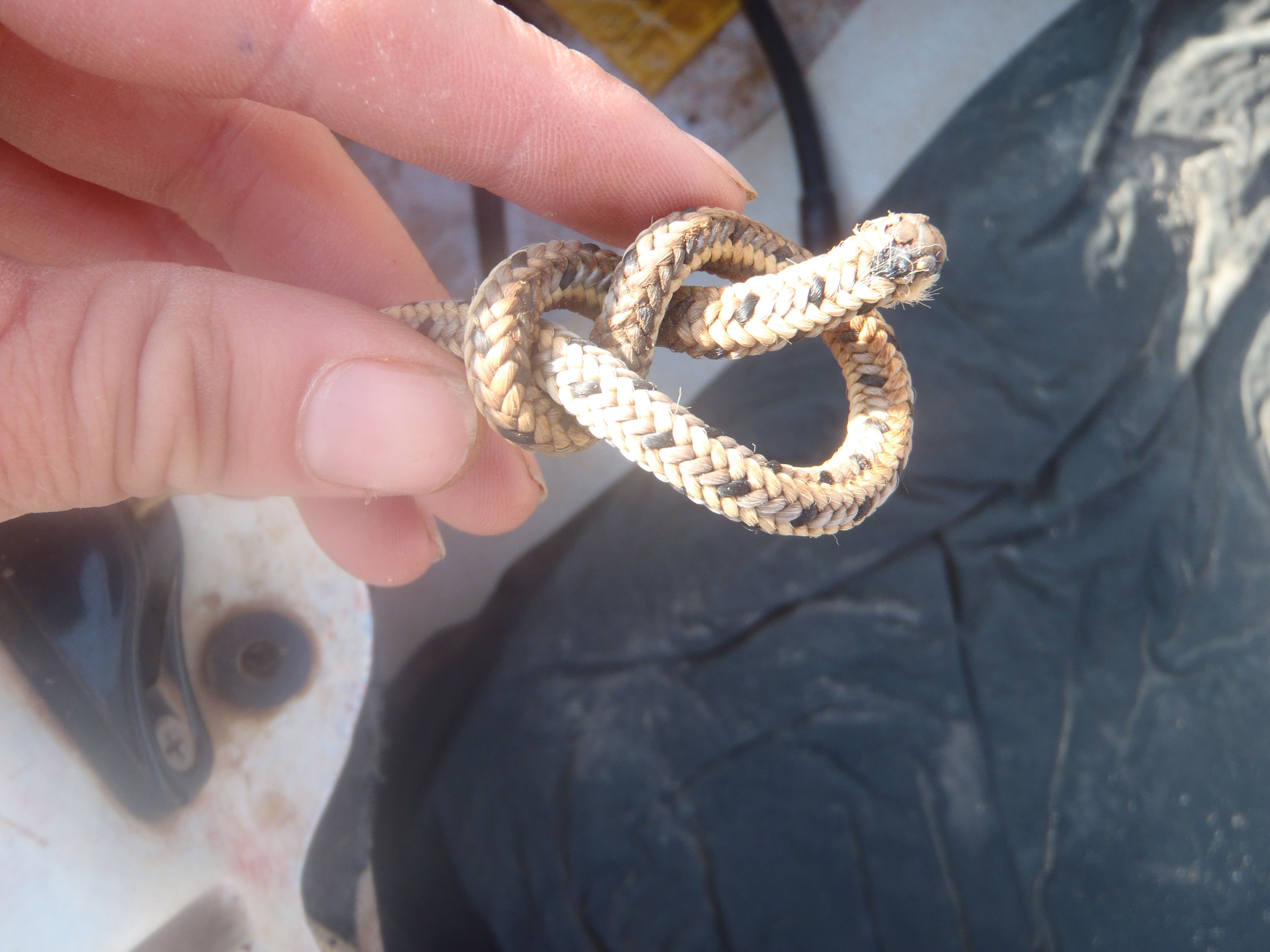
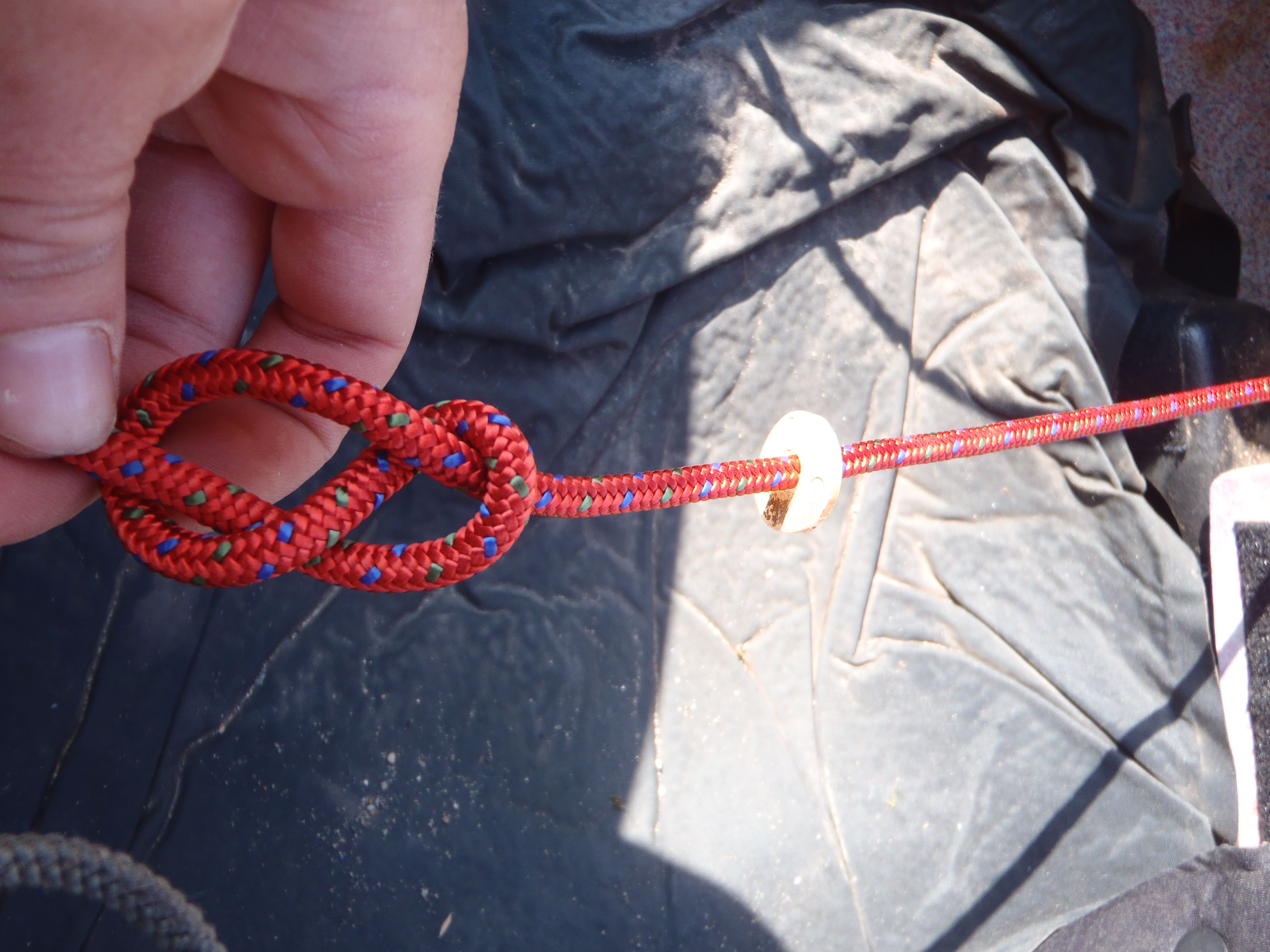
But don’t remove both side at once! Leave one side in while you do the first, then you have it for reference if you get confused about where the cord needs to go. Note the knot used on either end, it is usually a figure of 8, like below. There is a plastic washer on one end of the cord – put that safely to one side, you’ll need it again in a minute.

3. Start at the cleat

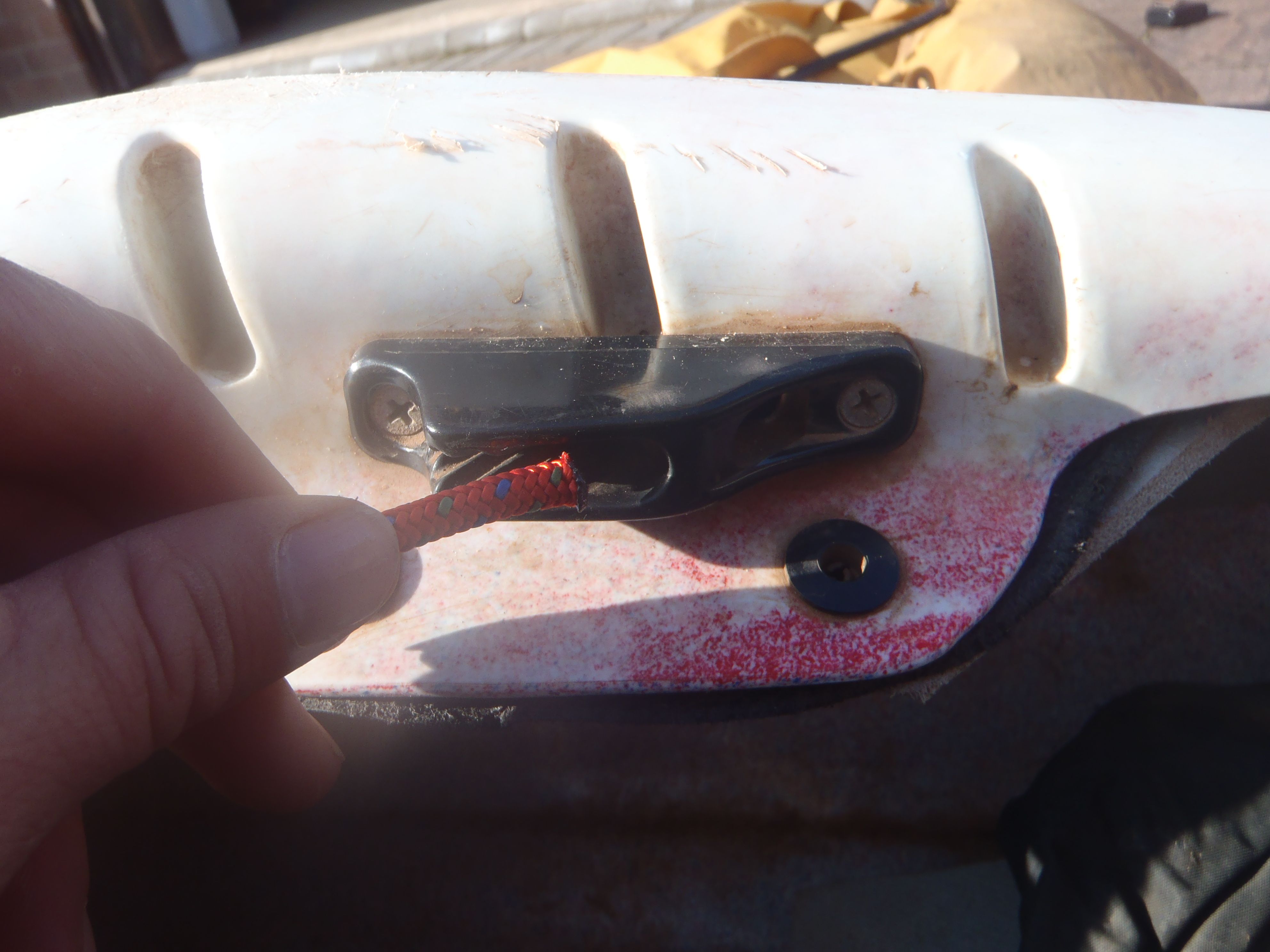
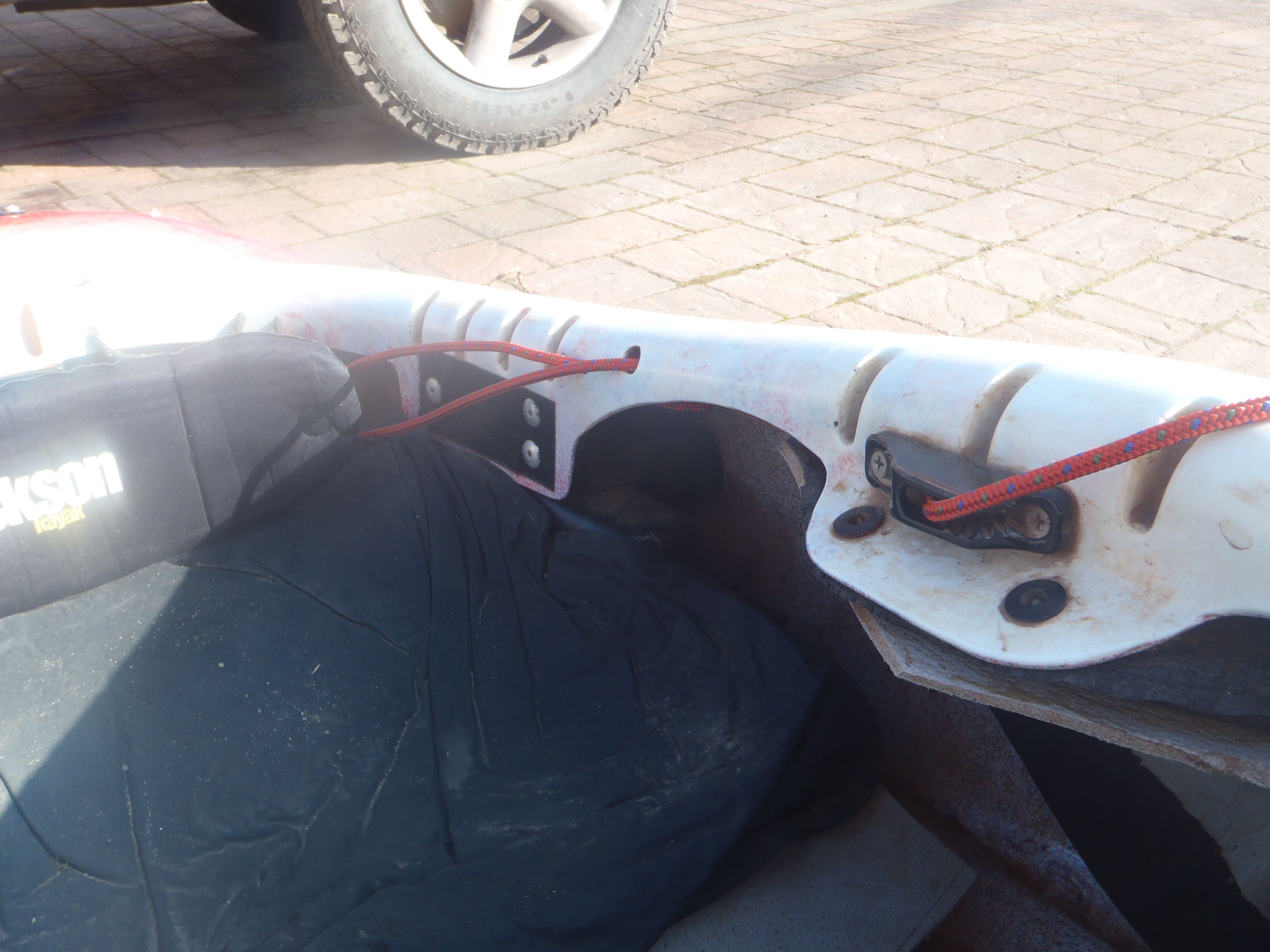
This is probably not the obvious place to start, but trust me it is the easiest! Tie a figure of eight in one end of the cord then feed the other through the cleat from the end closest to the front of the boat.

Feeding the string through the cleat

4. Feed it through the larger hole

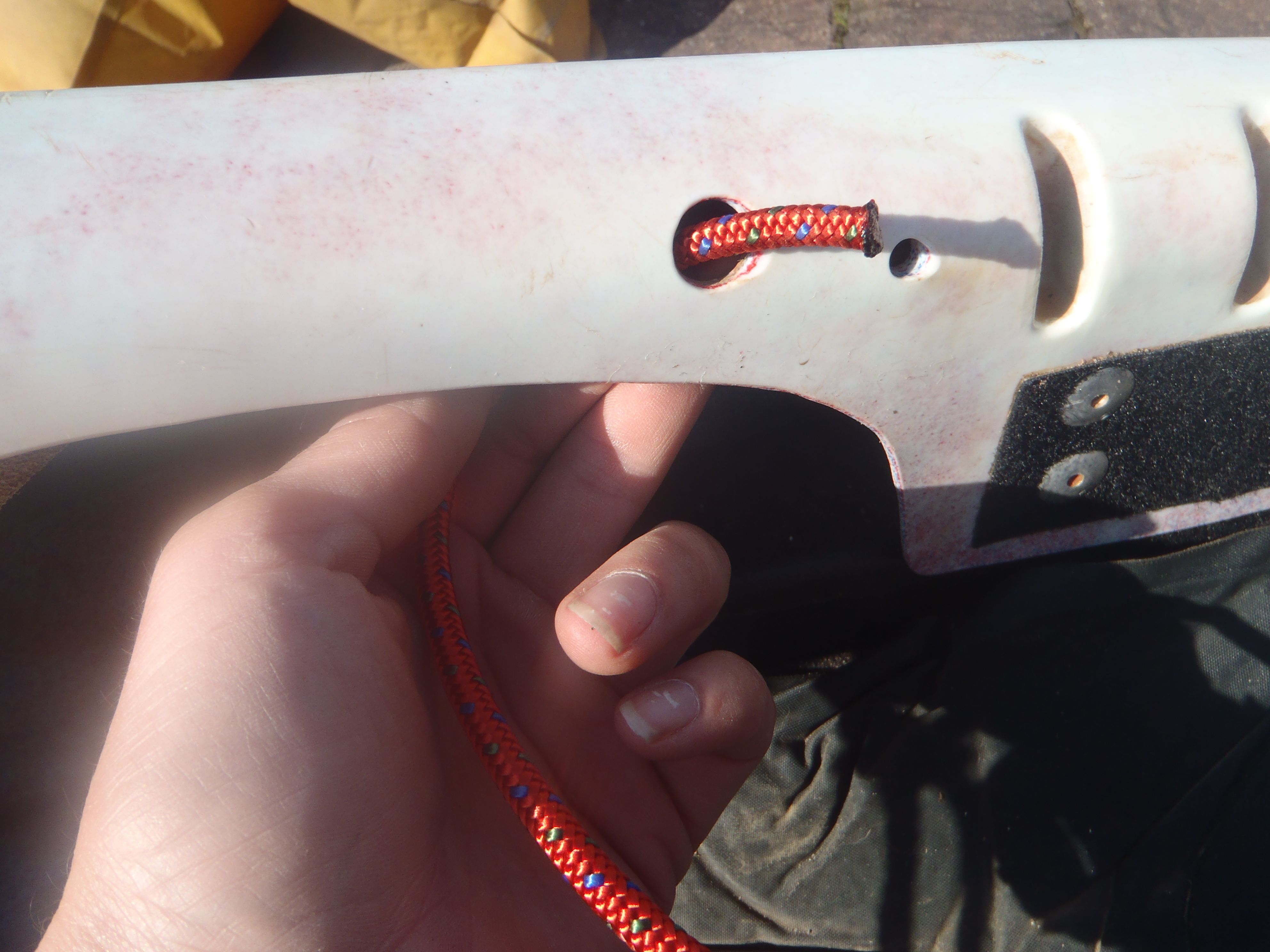
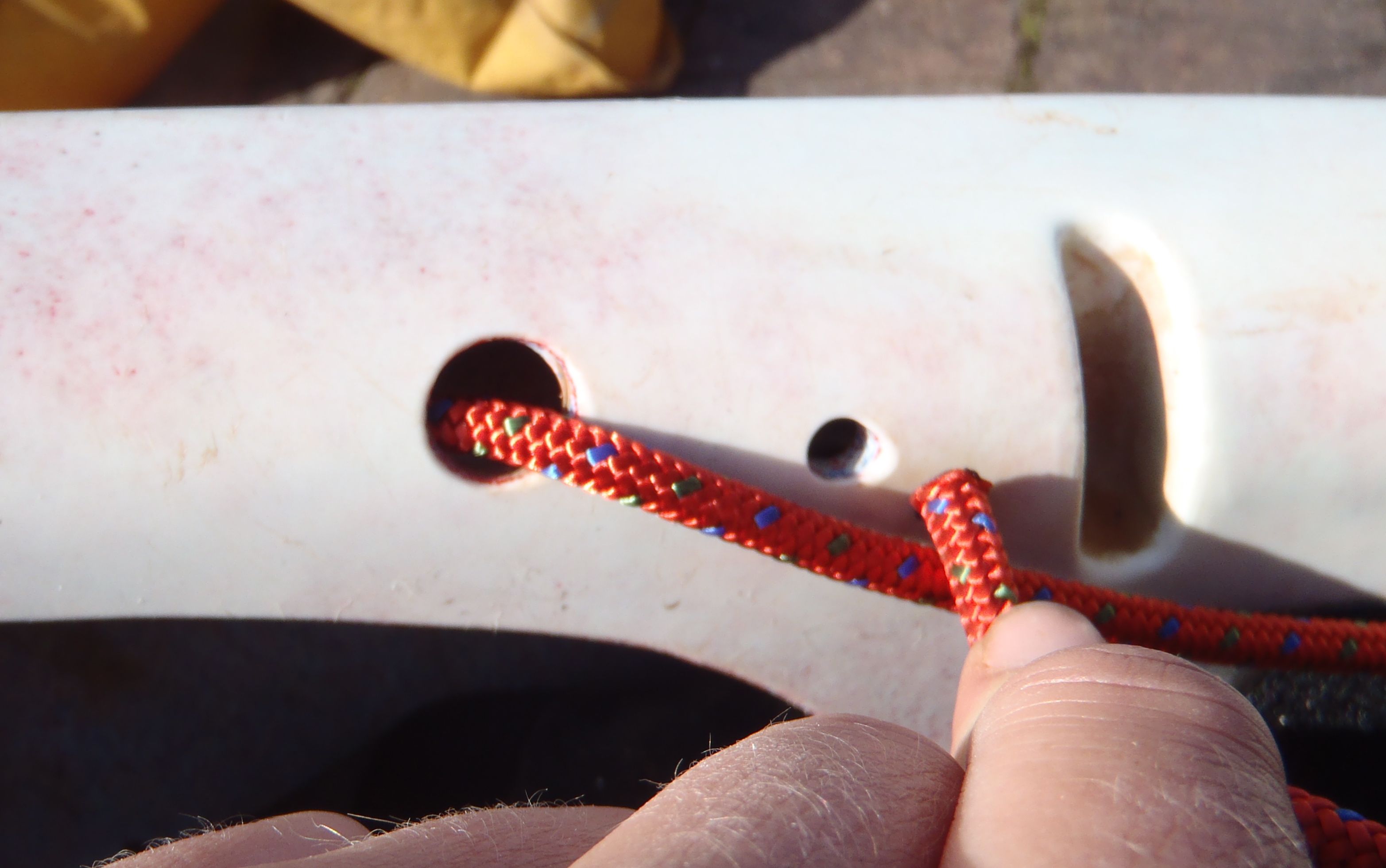
Starting from behind the cockpit rim, feed that same untied end of the cord through the larger hole in front of the hip pads.

Feeding cord through first hole

5. Loop around the backband ring

Note the direction that the cord is passed through the ring, this ensures the cord can pull through freely to tighten the backband.

Loop around the backband

6.  Pass through the smaller hole

Pass through smaller hole

7. Remember the washer!

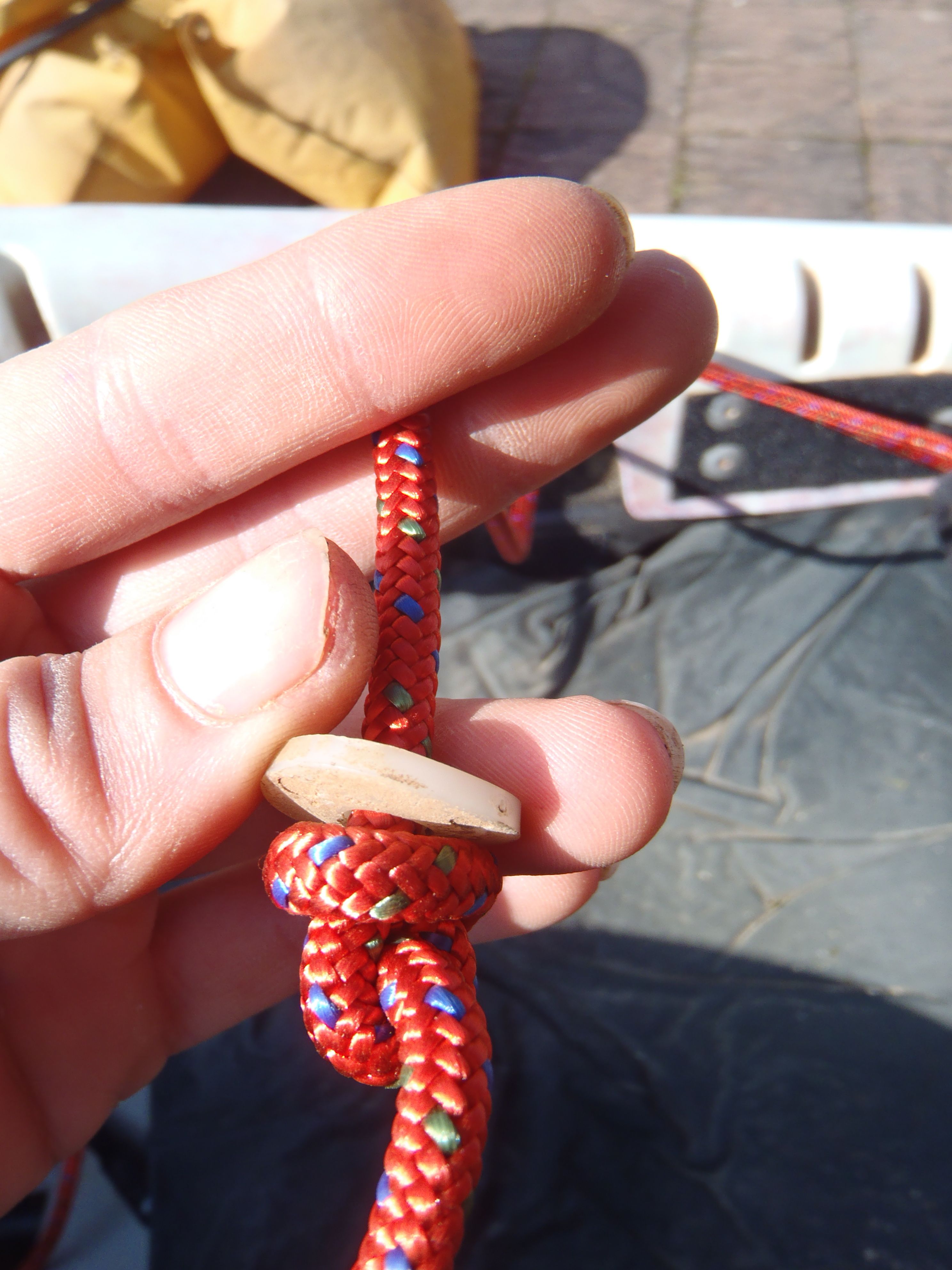
Find the washer you put down in a “safe place” and stick it on the end of the cord then tie another figure of eight. Pull the washer down onto the knot.

Knot on the washer end

Push the washer onto the knot

Pull the cord through until the washer is against the inside if the cockpit rim. Ensure the washer is sitting flat or it can damage either the washer or your cockpit.

8. Do it all again for the other side!

Backband replaced

9. Trimming

Remember that excessive lengths of string could cause an entrapment hazard. If you need to trim your cord, use a hot sharp knife.

Read full story

Tips for coaching women

Sportscoach UK have just released a bunch of “fact sheets” about coaching female athletes and developing female coaches. They are of course in reference to all sports, but there’s plenty that can be applied to paddling. If you are interested in improving your coaching of female paddlers then check them out. And if you only read one, make it the Myth Buster: anyone recognise this?

Female athletes lack confidence
Low confidence is often more pronounced in female athletes. Women tend not to give themselves enough credit and are likely to put good performances and success down to luck rather than talent and hard work. Women’s confidence levels are also influenced far more by the opinions of those around them.
Female athletes might reflect their concerns both verbally and through their body language. Coaches can use this as an indicator that their athletes need ‘a boost’ and some words of encouragement to help build their confidence.

We do a lot of coaching with female paddlers and know how true each of the busted myths can be. Don’t be fooled though – not all women are the same and all coaching should be individualised! These fact sheets just provide food for thought on how best to structure and approach the coaching of females.

We are lucky enough to have some of the World’s best female paddlers and coaches. Sadly top female coaches are quite rare in sports, but even more so in a male dominated sport such as kayaking. We have found that a mixed staff team allows our coaches to learn a lot from each other’s coaching styles and tactics to become better at coaching paddlers of all ages, genders and backgrounds.

Low numbers of women coaching in the highest echelons of sport inevitably means fewer role models for up-and-coming female coaches.

We hope that our female coaches provide good, strong role models for female paddlers and coaches alike. If you’re a coach who wants advice on coaching women more effectively or a female coach who would like advice on progressing with your coaching, please feel free to get in touch.

Our next female-only course is on March 26th. For more info click here.

Read full story

Election Fever in Uganda

On Friday 18th Feb, the Presidential Elections were held in Uganda – a country which hundreds of kayakers visit every year to enjoy the wonderful white water offered by the White Nile. Uganda is generally one of the most stable and safest countries in Africa to travel around as a tourist but with the political instability of countries across Northern Africa and the Middle East hitting the headlines, I think it’s fair to say that we were all a little anxious to see that this election went smoothly in what paddlers affectionately call “the centre of the Universe”.

The current president, Museveni, has been in power here for 25 years and expectation was that he’d win once again. The results released today show that was the case, though opposing parties claim unfair practice and fraud – something I suspect will never be proved either way – a sad fact about African politics.

In the lead-up to the elections there was much excitement and loud rallies (often with a big sound system playing upbeat music in the back of a truck) were common sights across Uganda. People went around wearing the T-shirt of the candidate they supported and posters were stuck all over: from shops to mud-huts! I thought it was great to see a country really engaging with their politics and being proud to show they care about their vote and the end result. Sure, the system is flawed – for one it is almost impossible for many poor Ugandans from rural areas to register to vote – but it was still a refreshing change from the apathy you see in the UK. If only people would realise that at least every vote DOES count in the UK!

The video above was taken 2 days before the Presidential Election and shows a rally in support of Besigye, the main opponent to Museveni. We’d already been stuck in the middle of this rally for at least 10 minutes before I remembered I had my camera with me! There was very little in the way of trouble across Uganda prior to the elections – though this rally later met with a rally for Museveni and there was reportedly some small scale violence. On the whole, the people were enthusiastic and passionate, which was great to see (if a little daunting in their large numbers!).

I feel I need to finish this post by relating it back to kayaking, since that is what FlowFree is all about. I hope to do that without diminishing the importance of the democratic process (you judge that one?) that has just occurred here. Museveni regaining power means we can expect another term of stability in Uganda, which will allow us to travel there as tourists without too much concern for our safety… the major issue for paddlers there now is the immanent closure of Silverback and plans for further hydro schemes on the White Nile. But that is another story entirely…

Read full story

Goodbye Silverback

For the past month I’ve been in Uganda running Kayak the Nile which has been amazing. I’ll add another post soon with photos and video from my time here so far, but for now I wanted to share this information about the timing of the Silverback closure due to the construction of the dam.

The official date of closure of the Silverback channel to river craft is now set as Feb 28th – less than a month away. Below is the response from Nile River Explorers Rafting.

End of Silverback Rafting Responce

For kayakers, the effect of this closure is initially not as dramatic. Kayaks will still be able to paddle the rapids prior to Silverback and portage Silverback to continue down the Day 1 section. Only when the dam is actually put in place will we start to lose the rapids upstream of Silverback as the water backs up – it is estimated this is around 12 months away yet.

That said, I’m taking every chance I can to paddle all of those rapids before they are gone forever!

If you are thinking of coming out to Uganda, my advice is do it! Even if you can’t make it until the dam is in place, there is still a great range of rapids and playspots below the dam and the promise of higher flows will make it a lot of fun all round.

Time to get back on the water. Happy paddling all.

Read full story

5 reasons to: Wear Earplugs

Getting water in your ear is bad for you. Fact. Why risk this?

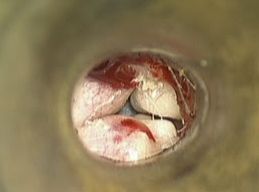
Surfers Ear

1. Prevent Surfer’s Ear

Surfer’s Ear (or Exostosis) is caused by your ear being repeatedly subjected to cold water & cold wind (perhaps by going kayaking?). Bony growths start to close the ear canal (see photo above) which can lead to loss of hearing, tinitus and further infections. Although this happens over time, do not think that just because you are young, you can get away with it… you won’t realise it’s started to happen until it’s too late. The first you’ll know is when you are struggling to make out what your mate is saying in a busy bar.

The only cure? An operation where they peel back your ear and literally drill the excess bone away.

Result of a Surfers Ear Operation
Post-op in his mid-20s! (See comments for full story)

That’ll keep you out of a boat for a few months…

2. Prevent Swimmer’s Ear

No, you do not only get Swimmer’s Ear by falling out of your boat! It’s a colloquial name for a nasty infection caused by water trapped in the ear – particularly dirty water (anyone for Holme Pierrepont?).

Swimmers Ear diagram

And guess what? Having Surfer’s Ear makes you more likely to get Swimmer’s Ear too!

3. Wearing earplugs can be cool and stylish!

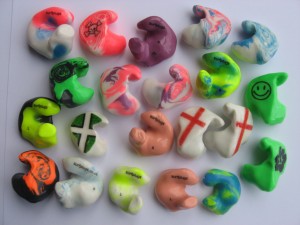
You don’t have to look like a complete dork (though if this is your look, then go for it). Ear plugs come in whole range of styles, colours and sizes so you can get ones to match your eyes or your cag…

Funky Ear Plugs
Photo from surfplugs.co.uk

I chose really bright ones that float to reduce the chance of losing them. You can buy ear plugs in most good kayak shops and good swimming outlets. But for the best fit, you’ll want a custom mould from the NHS, a hearing centre or a company such as surfplugs.

4. YOU CAN STILL HEAR (so there’s no need to shout)

Many people say they don’t want to wear earplugs because they won’t be able to hear while paddling. Poppy-cock! I wear custom-fit ear-plugs with no vents and I can still hear everything I need to. Yes, I usually take one out while in direct conversation in the eddy, but that is mainly because I don’t like the sound of myself with them in! I can still hear people calling me and can certainly still hear whistles.

Sure, they can take some getting used to but wouldn’t you rather have slightly dulled hearing on the water than permanently damaged hearing throughout the rest of your life?

5. The best ones are FREE!

The NHS make custom ear-plugs (which they call swim plugs) through the audiology departments in hospitals. You can either be referred by your GP, or just call and make an appointment. Explain that you are a kayaker and that you constantly subject your poor ears to cold, dirty water – which is often propelled into your orifices at great force by rapids, waves and stoppers. They’ll soon have you strapped to a seat while they fill your ears with gooey cotton wool to make the mould!

When I got my most recent pair done, I was able to opt for floating ear-plugs. I highly recommend this option!

So, can you give me 5 good reasons not to wear earplugs?

Read full story

What’s in YOUR first aid kit?

A couple of weeks ago myself, Jon and Tom attended a first aid course for outdoor professionals to refresh ourselves on those vital skills. I thought I’d take this opportunity to discuss what I choose to have in my first aid kit on the river, and why. What you choose to take with you is a personal decision, but one worth considering.

What do I put it in?

I use a Lifesystems Compact First Aid kit pack. I find it a good size and fairly water resistant.

First Aid Kit

I put this inside a 10 litre drybag with a few extra things (I will come on to them later). I have clearly marked the dry bag as FIRST AID, so other people can quickly identify it in an emergency. You may want to purchase a sticker to put on your dry bag / peli case.

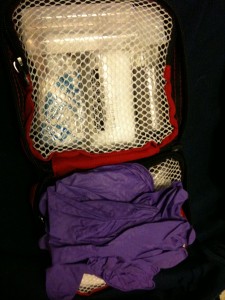
Inside the red pack…

If you open the pack shown above, you will immediately see 2 pairs of non-latex gloves. When an incident has taken place it is all too easy to rush in to try and help. Make sure you protect yourself and others from cross-contamination – WEAR GLOVES. Putting them here means you cannot forget!

Gloves in the first aid kit

So what else?

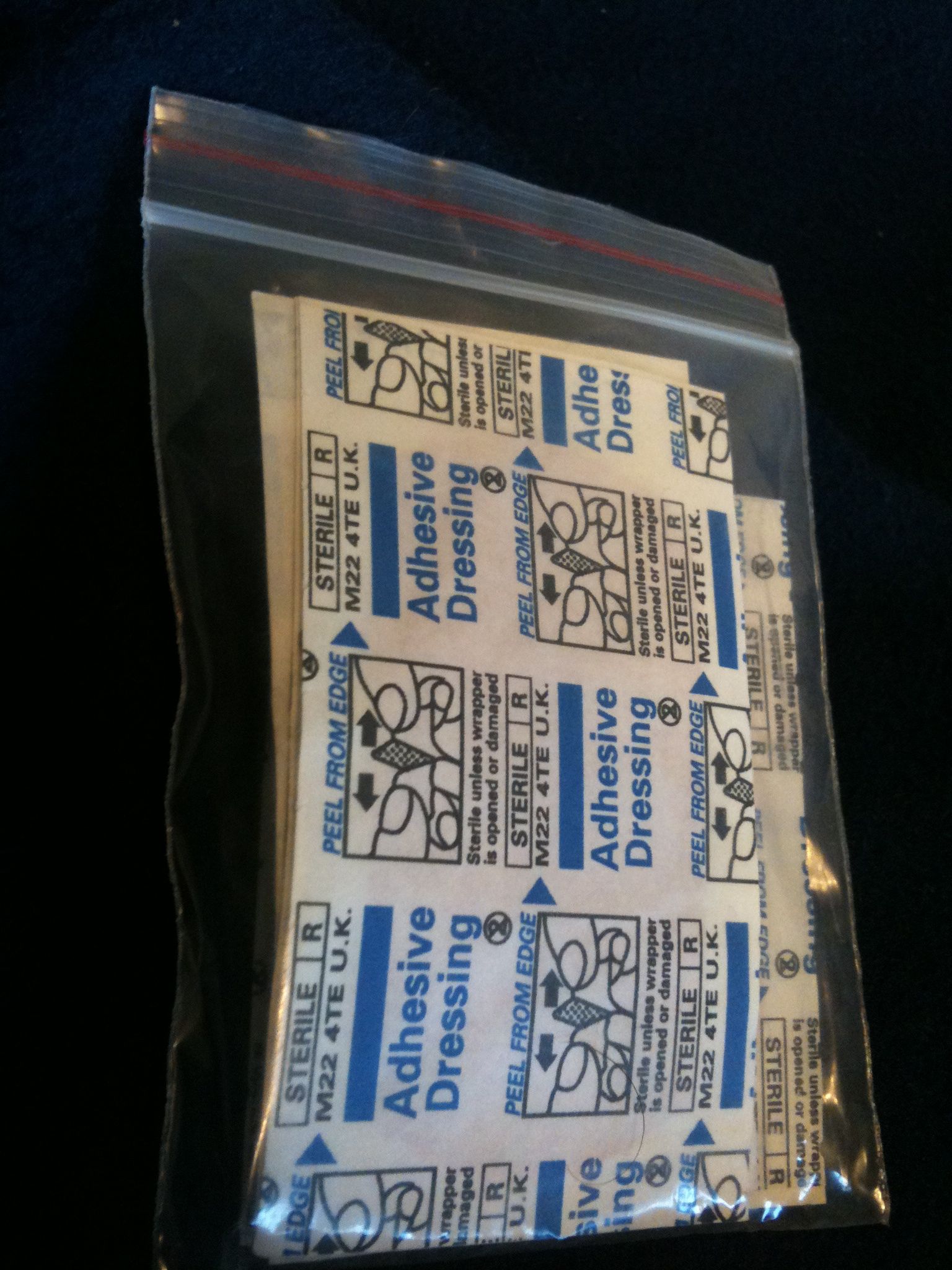
  • A range of hypo-allergenic plasters
  • Some stretchy sticky fabric tape (hypo-allergenic)
  • Micro-pore tape
  • 3 sizes of sterile dressings / bandages
  • A range of sizes of adhesive dressings
  • 2 tubes of sterile water
  • Face mask
  • 6 alcohol free antiseptic wipes
  • Triangular bandage
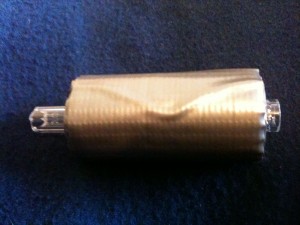
  • Ducktape
  • Scissors

I keep everything in little sealable plastic bags, just to give extra protection against getting wet:

Plasters

I keep the ducktape on a bit of old broken pen. This allows me to store a good amount in a compact yet easy to dispense format.

Duck tape dispenser

Also in the dry bag…

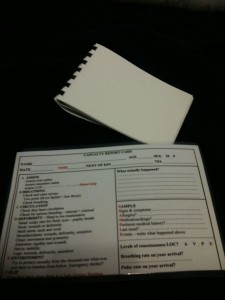
I carry some waterproof paper, with a small IKEA pencil tucked in the coils so I can note down any details such as the casualty’s name, what happened, what treatment has been given, vital stats etc. Along with this I carry a little prompt card, cos even the most well trained can find themselves forgetting everything at the sight of a loved one in dire medical trouble. You can use these to record on, but I find that in our environment a waterproof pad is much easier. Pencils can withstand being wet, pens to write on laminated card don’t tend to like it.

Notepad and prompt sheet

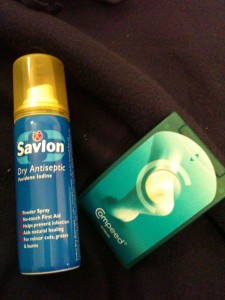
Savlon spray is a great antiseptic that also handily dries wounds – very handy in wet environments. And Compeed is fab for blisters / rubbing – the Savlon spray can be used first to dry out the area. these are not essentials, but pretty useful I think.

Savlon and Compede

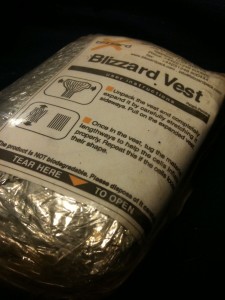
I also carry a “Blizzard Vest”, which is a like a big corrugated, hooded foil jumper that you can stick over anyone getting cold. It’s vacuum packed, and if you have to use it you can send it back to be re-packed!

Blizzard vest

If someone is injured they get cold really fast, especially outdoors. However, don’t forget that the rest of the group might be getting cold too. This is why I have another dry bag…

The other drybag…

I carry a separate dry bag for what I would call “group kit”. In there I have a group shelter, some emergency foods and spare clothing. The reason I have this separate is because there are some places I don’t feel it is necessary to carry these things, like at managed sites such as Canolfan Tryweryn. At these sites I would still usually carry a first aid kit though, just in case.

The call for help…

AquapacI cannot recommend strongly enough that every group take a mobile phone with them on the water. Put it in an aquapac and carry it on your person.
Yes, there isn’t always signal in the remote and mountainous regions we go to, but it’s usually nearer than the nearest payphone or house. And those things will be there whether or not you are carrying a phone – so why not? If you don’t want to be disturbed, just turn it off. If you are worried about damaging your expensive smart phone, buy a £10 handset and put a pay-as-you-go sim in it – just make sure to check the battery before you leave!

Conclusion

White water kayaking is an adventure sport – one which involves an element of risk and many risks of the elements. Hopefully anyone who goes paddling regularly can see that if something were to go wrong, you are likely to be a little way from help. In my opinion, all paddlers should attend a good first aid course at least once every 3 years. Rescue Emergency Care courses are good because they are not restrained by HSE First Aid at Work and are designed for people who will be operating in the outdoor environment. There is quite a difference between the potential seriousness of a broken leg in an office carpark and one beside a steep-banked river in Scotland in the middle of winter, for instance.

I hope you never need to use first aid; but if you do I hope you are equipped and trained appropriately. I’m sure your friends and family would hope the same.

Read full story

Drowning doesn’t look like drowning

A great article about what drowning really looks like, and how to recognise it. I recommend everyone who ever spends time near water reads it!

http://mariovittone.com/2010/05/154/

Read full story

Conwy Falls – don’t end up on THAT rock…

Conwy Falls has been an infamous site for kayakers for many years. The waterfall itself has had a handful of successful descents but upstream of the falls lies a nasty rapid, which in recent years has been the scene of an increasing number of incidents. You see the nasty rapid I talk about lies just around the corner from the take out of the classic Middle Conwy, under Penmachno Bridge. The incidents occur when paddlers miss their intended take-out eddy: if you notice your mistake fast enough you may be able to get yourself to safety, however if not you will most likely end up stuck down here:

Missed the take out?

The problem with ending up sat on one of those inviting rocks or in the eddy behind it is that you are unable to get out due to the sheer sided river banks. It is at this point that Ogwen Valley Mountain Rescue, the fire services or another suitably skilled and equipped rescue team has to be called out. In the last of these incidents, a member of Ogwen Valley MR was seriously injured.

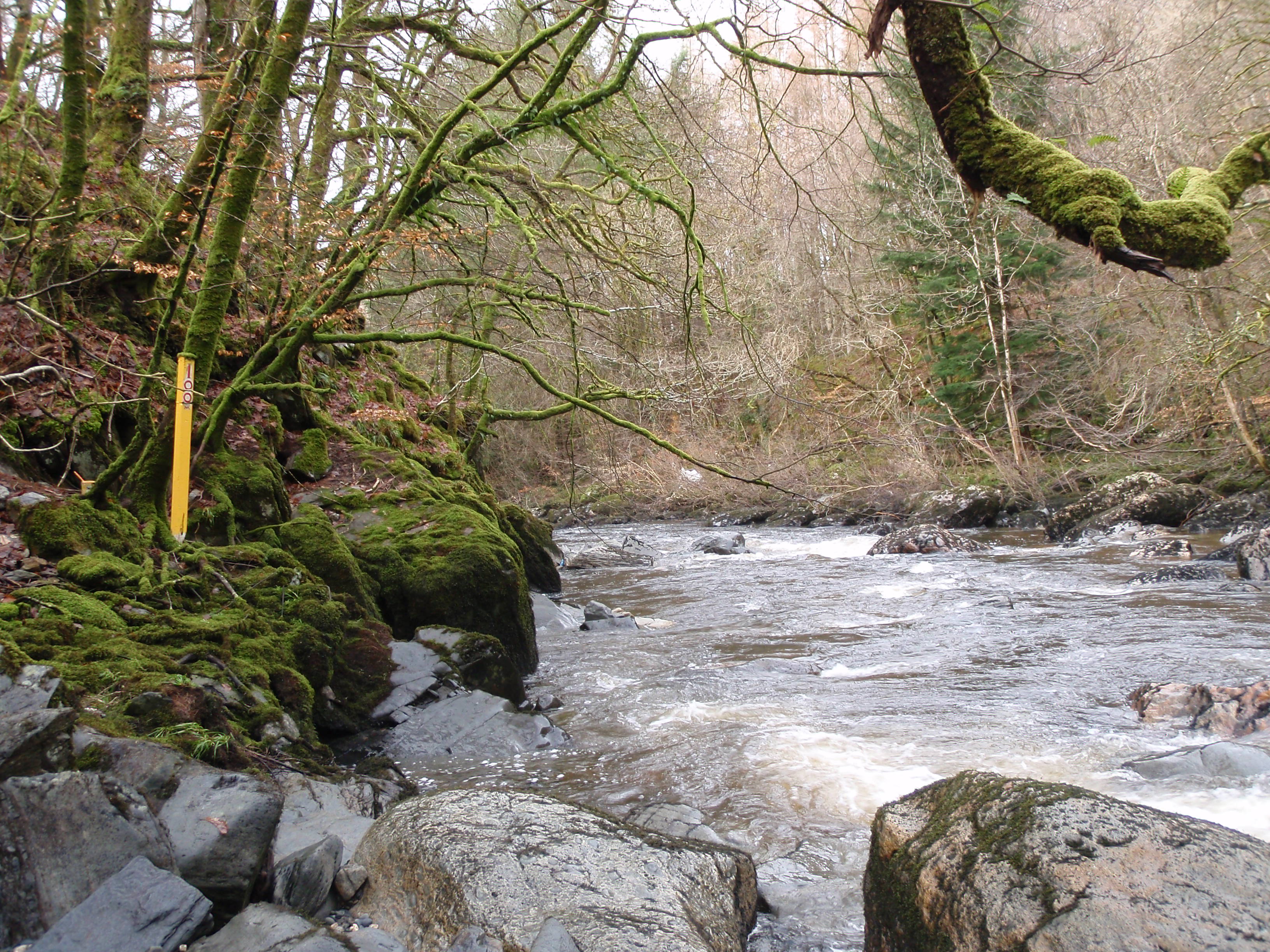
So why is it that so many people end up here? Well, I think there are several factors: if the river is high the takeout eddy is the middle of a fun and bouncy rapid; the large Penmachno bridge that some people presume they will see is actually virtually impossible to see from the river; some people do not walk down to see what the take out looks like from the river so do not recognise it when they get there; and occasionally there will be further circumstances such as a swim in the rapid above. Many guides to the river make note of warning makers (wooden posts at 200m, 100m and one at the take out eddy) – but over time these old posts, which were originally painted bright white, have become faded, dull and hard to spot.

There has been much discussion about what could be done to help reduce the number of incidents and often that discussion ends up focusing on the moral issues of whether something should be done at all. Here at FlowFree, we felt it was time that talk was turned into action. We respect that the river is a natural environment and paddlers should be responsible their own safety, and the safety of those they are paddling with – but we also could not sit back and watch more paddlers getting into trouble on our local river.

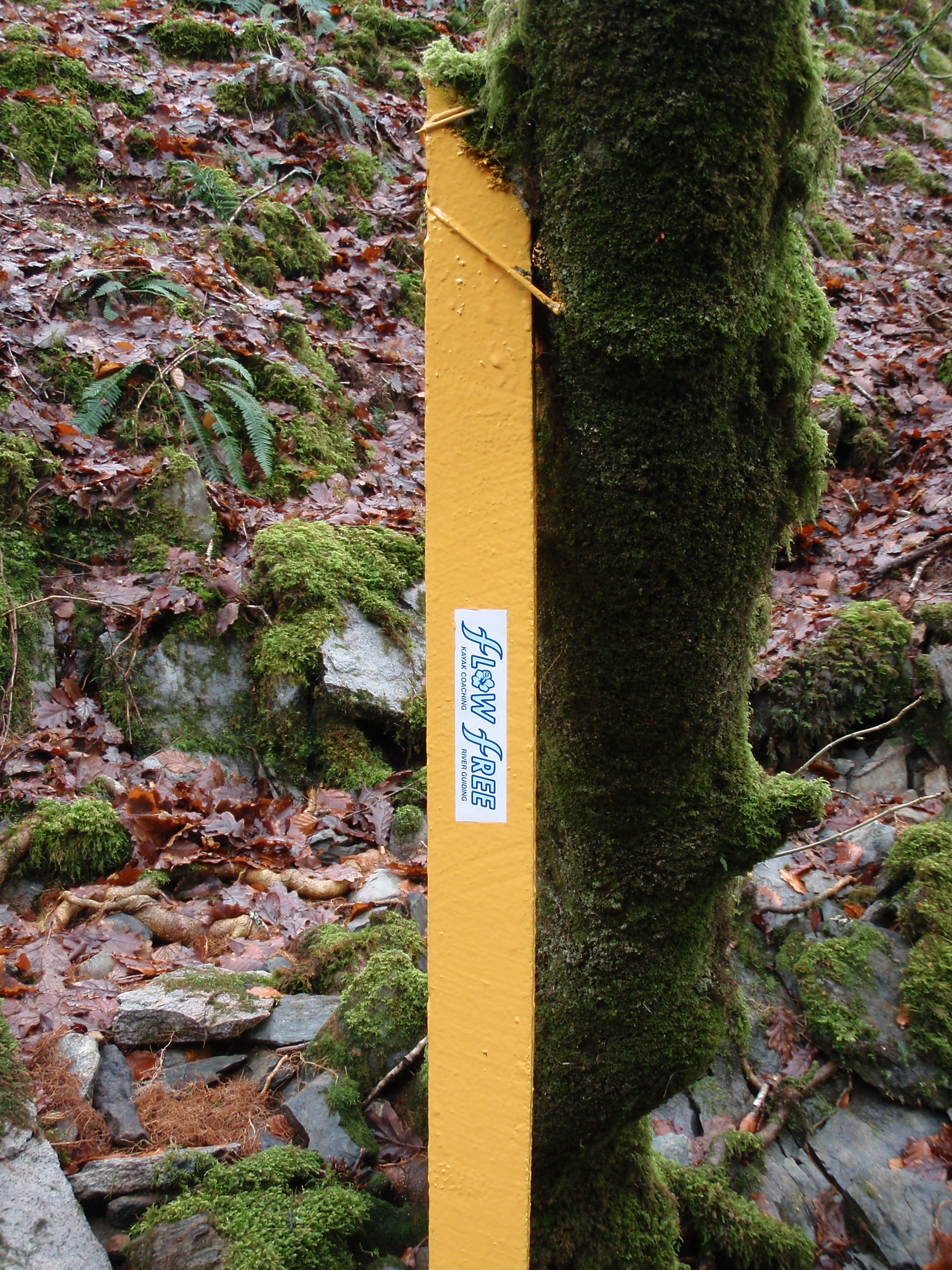
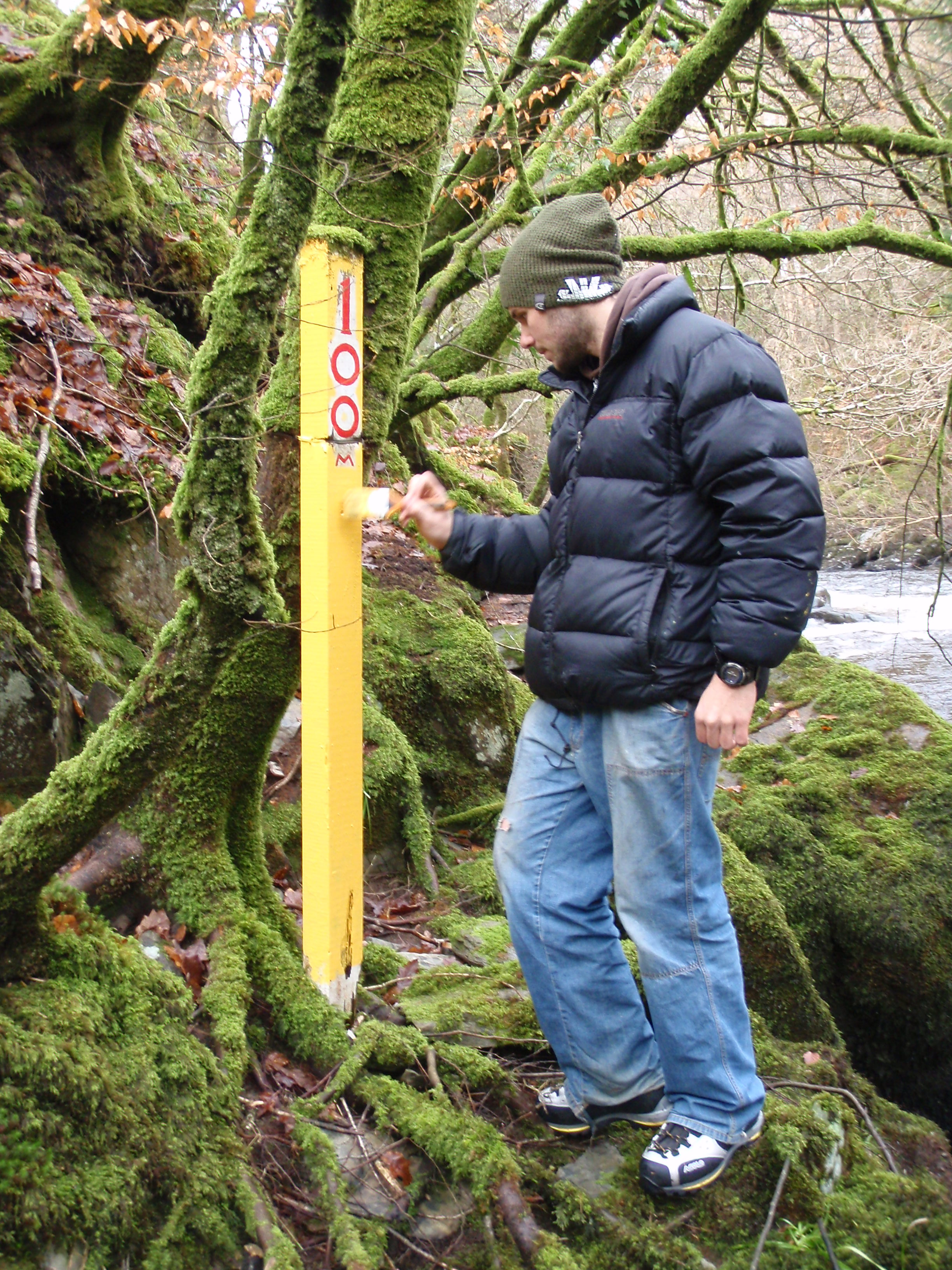
Rather than putting up new warning signs, we decided that the best course of action would be the make the existing warning markers brighter and easier to spot. Here’s some photos of our work:


We left the 200m and 100m writing on.

200m marker
200 metres to go!

100 metre marker
100 metres to go!

Take out marker
TAKE OUT!!

Please note that although we hope that this will help people to spot the markers more easily, it is should not replace the need for all groups to be familiar with where the take out is, especially on a river where it is so critical. If you plan to paddle this section of the Conwy, please take the time to walk down to the take out eddy (from Conwy Falls Cafe, walk over Penmachno Bridge and turn left onto a well-worn path then follow the path down to the river and then walk upstream of the yellow mark a bit to familiarise yourself with the view of the eddy from upstream). The section has two harder rapids, usually graded as Vs: immediately after the second of these, there is a grade III+ (fairly chunky in high water) which eases to grade III – stay alert and start looking for the markers and your take out eddy as early as possible in this rapid . If you are not familiar with the river, you may consider hiring one of our local river guides to ease the worry of missing the take out and let you relax and enjoy the river.

We hope this helps to prevent further accidents on this fantastic section of river.

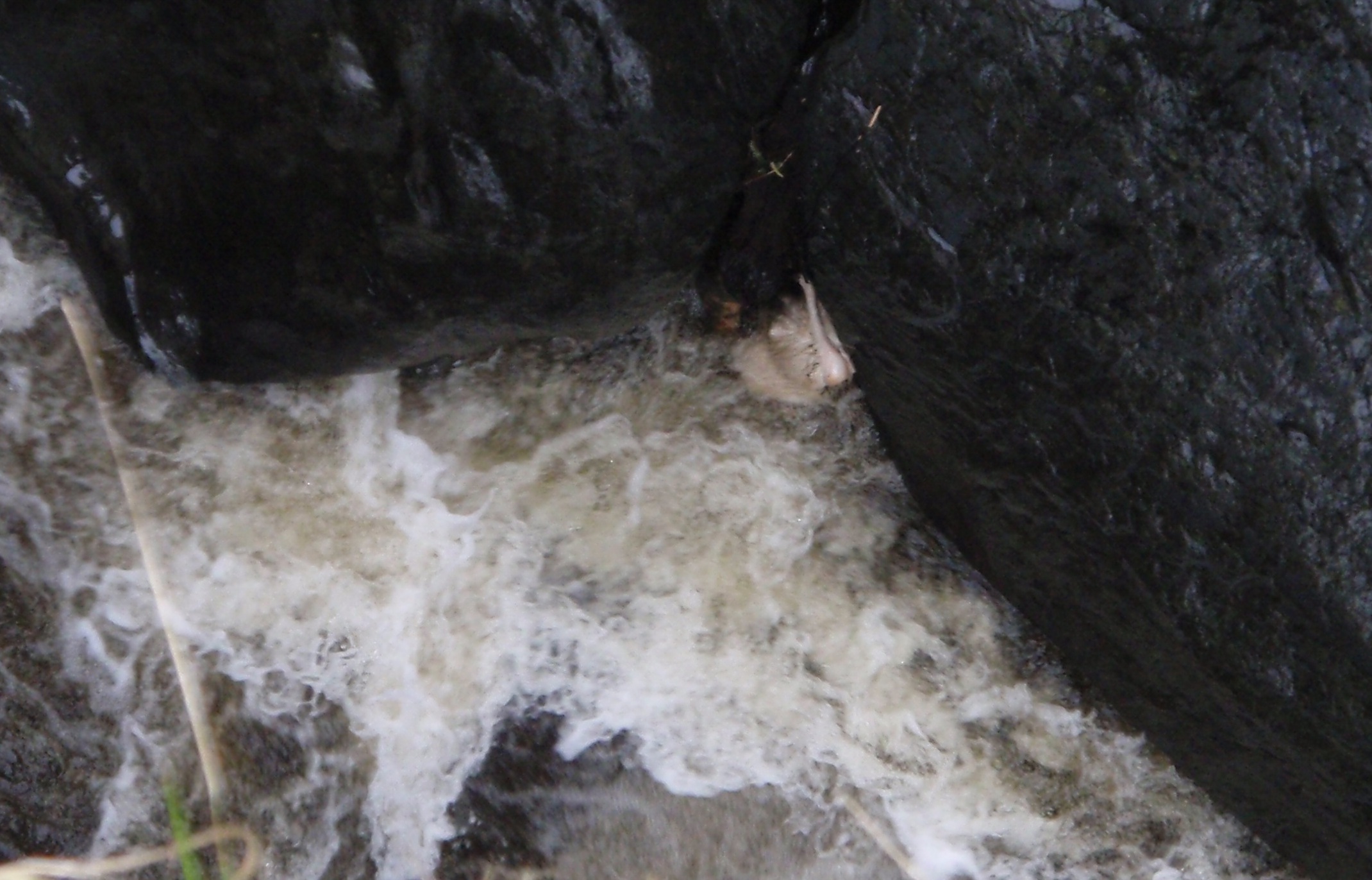
Sheep in a syphon
An unfortunate sheep takes a closer look of a syphon under Penmachno Bridge

Read full story

Informal Playboating Gatherings in North Wales

Inspired by the old Sunday league at Tryweryn and the current league held on the Thames Weirs, an informal playboating league is being set up in North Wales. The basic premise being to get people together to have a play and help and encourage each other while having fun!

Times and places for a playboating gathering will be advertised here and on the Dates and Events section of UKRGB, and will happen roughly every 2 weeks or so. The first of these gatherings is happening the day after boxing day (December 27th) at Mile End Mill on the Dee. Meeting 12pm for about 2 hours of boating.

The session will last 2 hours but obviously, you can paddle before and after the gathering if you wish!! It’s totally informal, so there is no single person in charge, no rules, no formal coaching, no entry fees, no paperwork… just come along and paddle with a bunch of like-minded people who enjoy going for a play, no matter what ability.

After each gathering, a “winner” will be decided by the group (the winner may be the person who did the best old school move, had the biggest smile or encouraged other people the most… whatever, the group decides!) and that person then gets to decide the time/place of the next one.

This way it does not rely on one or two people to make it happen… just whoever would like to get involved at any time; which should mean it has some longevity. We can use also a range of places and features, depending on what suits those involved. There are already quite a lot of people keen to make this happen and I hope it will create a new, friendly and approachable playboating community in North Wales.

The main idea of this is to encourage people to come along and give plaboating a go without the stress of an organised event / competition, but where there will be plenty of people around to help out and paddle with – so shake off that xmas pud and come for a play! 🙂

Read full story